
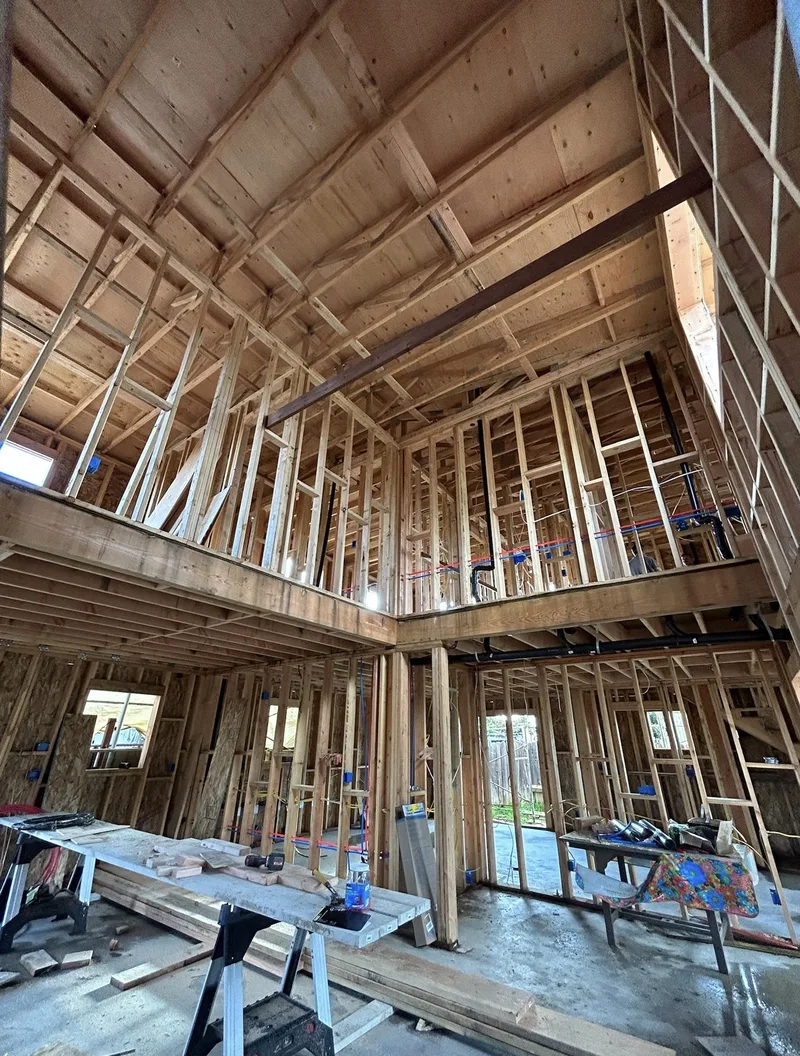
An ADU is one of the highest-return improvements a San Diego homeowner can make, but "what does it cost?" is also the hardest question to answer in a single number. Here is how we think about ADU budgets, and the handful of decisions that move the figure most.
The short answer: it depends on type and finish
There is no single price for an ADU because an ADU is not a single product. A garage conversion that reuses an existing slab and walls sits at one end of the spectrum. A two-story, ground-up detached unit with premium finishes sits at the other. Rather than chasing a sticker price, it is more useful to think in terms of cost per square foot, driven by a small set of decisions you control.
What actually drives the number
Five factors move an ADU budget more than anything else:
- Type: converting an existing structure is almost always cheaper than building new from the ground up.
- Size and stories: square footage matters, and going vertical adds structural and access cost.
- Site conditions: grading, soil, access for equipment, and how far utilities have to travel.
- Finish level: the same floor plan can swing dramatically based on cabinetry, tile, fixtures, and millwork.
- Utility upgrades: a new electrical panel, sewer tie-in, or water service can be a meaningful line item on its own.
Hard costs versus soft costs
Hard costs are the physical build: framing, concrete, mechanical, and finishes. Soft costs are everything around it: design, structural engineering, permit and impact fees, and surveys. Soft costs are where homeowners are most often surprised, because they arrive before a single board is cut and can add a real percentage on top of construction. A good contractor walks you through both early so the full picture is clear before you commit.
Where the budget is won or lost
The biggest savings are captured before you break ground, not during construction. Keeping the footprint efficient, locating the ADU near existing utilities, and fully resolving the design before permit submission are the three most reliable ways to protect a budget. The most common cause of overruns we see is changes made after construction has already started. Every one of those changes costs more than it would have on paper.
Financing and return
Many San Diego homeowners fund an ADU through a renovation loan, a home equity line, or a construction-to-permanent loan. The math often works because an ADU does two things at once: it can generate rental income month to month, and it adds long-term value to the property. We are happy to talk through how the numbers tend to pencil out for your specific goals, whether that is rental income, multigenerational living, or resale.
Resolve your design fully before you price the build. The single most common cause of ADU budget overruns is design changes made after construction starts. Decisions are far cheaper on paper than in the field.