
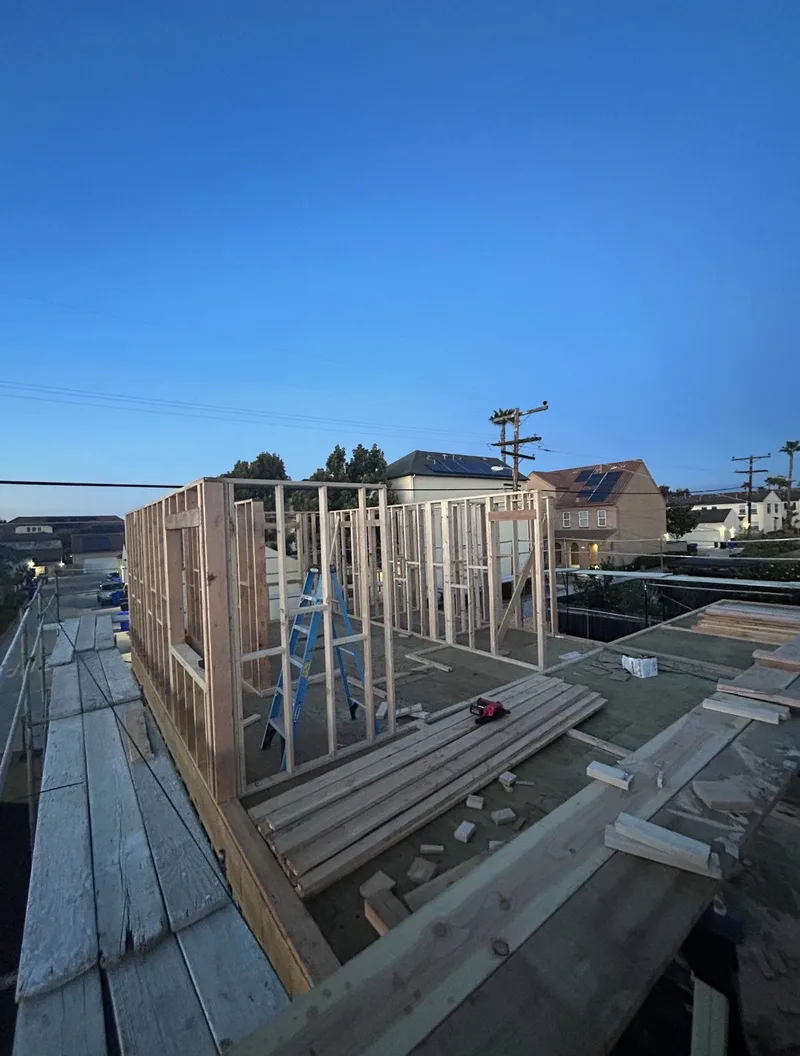
If your property sits within California’s Coastal Zone (and a surprising amount of San Diego does), your project may need an extra layer of review. Here is what the coastal overlay actually means in practice, and how to plan around it.
What is the Coastal Zone?
The Coastal Zone is a state-defined band along California’s coastline created to protect public access, views, and coastal resources. In San Diego it reaches inland by varying distances and touches neighborhoods you might not expect, including parts of La Jolla, Del Mar, Pacific Beach, and stretches of the coast all fall within it. The first step on any coastal project is simply confirming whether your parcel is inside the zone.
The Coastal Development Permit
Many projects within the zone require a Coastal Development Permit, or CDP, issued either by the local jurisdiction or, in some areas, the California Coastal Commission. Not every project triggers a full CDP (some smaller or interior scopes qualify for exemptions or waivers), but knowing which category your project falls into early is essential to planning the schedule.
How it affects ADUs and remodels
State ADU law still applies inside the Coastal Zone, and it continues to protect your right to build. What the overlay adds is process: coastal review can introduce extra steps and design considerations around public views, access, and neighborhood character. It does not mean your project cannot happen. It means the path to approval has an additional checkpoint that rewards preparation.
Timeline implications
The practical impact of coastal review is usually on the calendar. The additional process can extend your approval timeline, and in some cases decisions are subject to appeal. None of this is a reason to avoid building near the coast. It is simply a reason to plan for it from day one rather than discovering it midway through.
Working through it
This is where an experienced local builder earns their keep. We confirm your coastal status up front, prepare the supplemental documentation coastal review requires, coordinate directly with planners, and manage hearings when they are needed. Knowing the local rules and what reviewers look for is half the battle, and it keeps a coastal project moving instead of stalling.
Find out early whether you are in the Coastal Zone. Your jurisdiction’s zoning map or a quick parcel check will tell you, and it meaningfully changes how you plan both timeline and budget.